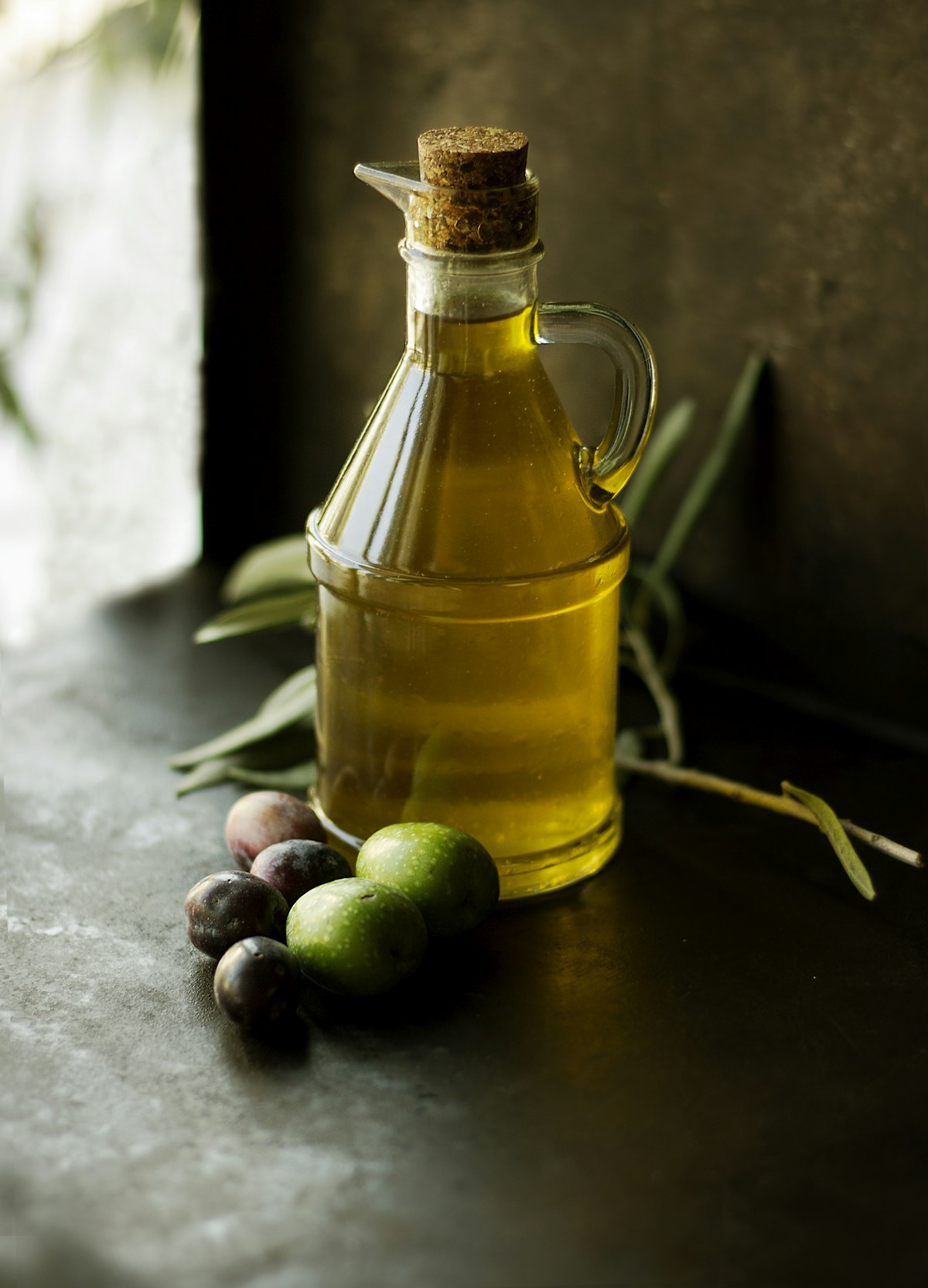
Key takeaways
- Extra virgin is defined by chemistry and taste: free acidity no higher than 0.8 percent and no sensory defects.
- Virgin allows free acidity up to 2 percent and minor defects, and refined blends sold as “olive oil” allow up to 1 percent.
- The United States has no mandatory federal grade standard for olive oil, so the label claim is only as good as the supplier behind it.
- Format decides the deal: bulk and IBC for repackers and bottlers, 3 and 5 litre tins for foodservice, 500 and 750 ml glass for premium retail.
- Ask for the harvest date, not just the best-before date. Italian harvest runs from October to December, and new-crop oil ships from late autumn.
- Olive oil imports cleanly into the USA on the standard food-import route: producer FDA registration, your FSVP obligations, Prior Notice, and a customs broker filing the entry.
Why Italian Olive Oil Dominates the US Premium Market
Extra-virgin olive oil from Italy is one of the most consistent performers in the US specialty food category. US imports of Italian olive oil have grown steadily for over a decade, driven by consumer interest in the Mediterranean diet, clean-label products, and provenance-driven purchasing. For US importers and retailers, Italian EVOO is not a niche product anymore. It is a core SKU in premium grocery, specialty retail, and upscale foodservice.
Summarize this article with AI
Understanding the Grades
Not all olive oil is equal. The grades matter enormously for both quality and pricing. Extra-virgin olive oil (EVOO) is the highest grade, produced by cold pressing without heat or chemicals, with a free acidity below 0.8%. Virgin olive oil is a lower grade, with higher acidity. Olive oil and light olive oil are refined products with little of the flavor or health properties that US premium buyers are paying for. When sourcing for a premium US retail channel, specify EVOO and request the producer's chemical analysis certificate for each harvest lot.
Olive Oil Grades at a Glance
The grade is not marketing language. It is a chemical and sensory classification, and it decides both what you can claim on the label and what the oil is worth.
| Grade | Maximum free acidity | What it is | Where it sells |
|---|---|---|---|
| Extra virgin | 0.8 percent | Mechanically extracted, no refining, no sensory defects | Premium retail, specialty, finishing oils |
| Virgin | 2 percent | Mechanically extracted, minor sensory defects permitted | Limited retail, some foodservice |
| Olive oil (refined blend) | 1 percent | Refined olive oil blended with virgin oil, neutral flavour | Foodservice, frying, value private label lines |
| Lampante | Above 2 percent | Not fit for consumption until refined | Never sold as it is at retail |
DOP and IGP Certifications
The most commercially valuable Italian olive oils carry protected designation of origin labels. DOP (Denominazione di Origine Protetta) means both the olives and the production process must come from a specific geographic area. Recognized Italian olive oil DOP zones include Toscano, Sicilia, Terra di Bari, and Riviera Ligure, among others. For US buyers targeting premium and specialty retail, DOP-certified oils carry strong shelf appeal and justify higher price points. IGP (Indicazione Geografica Protetta) is a less restrictive designation but still signals geographic traceability.
What US Buyers Need to Know About Labeling
Olive oil sold in the US must comply with FDA labeling requirements, including English-language ingredient declarations, net volume in US customary units, and accurate country of origin labeling. Bottles labeled "Imported from Italy" must contain oil that genuinely originates from Italy, not oil blended with oils from other countries and bottled in Italy. This is a common source of confusion and has led to significant fraud in the olive oil category. When sourcing Italian EVOO for US retail, request full traceability documentation from the producer, including harvest date, olive variety, and mill location.
How to Import Olive Oil from Italy to the USA
Olive oil is one of the simpler Italian categories to bring into the United States. It is shelf stable, it needs no cold chain, and it faces no category-specific approval of the kind that applies to meat or acidified foods.
The route is the standard one. The Italian producer holds an FDA food facility registration. You, as the importer, meet your Foreign Supplier Verification Program obligations. Prior Notice is filed with the FDA before the shipment arrives, and a licensed US customs broker files the entry. We set the full sequence out in our guide to importing food from Italy to the USA.
The label is where attention is needed rather than the border. It has to be in English, carry a Nutrition Facts panel in the US format, and state the country of origin. Agree the artwork before the bottling run, because a labelling error found after the container sails means relabelling in a US warehouse.
Bulk, Tins or Bottles: Which Format Fits Your Channel
Format decides the minimum order, the freight cost per litre and the margin, so it is worth settling before anything else.
Bulk and IBC volumes suit repackers and anyone bottling under their own brand at destination. The oil travels at its lowest cost per litre, and the packaging decision moves to your side of the water.
Tins of 3 and 5 litres are the foodservice format. They are cheap to fill, they stack well, and a distributor selling to restaurants will usually start here.
Glass bottles of 500 and 750 ml are the premium retail format, and the one where the shelf price carries the story. They are also the heaviest per litre of oil, which is why a first order often combines them with other categories rather than filling a pallet with glass. Our guide to mixed pallets and freight cost explains the arithmetic.
If you already know the format you want, the range and the supply side are set out on our Italian olive oil page.
Pack Formats and Minimum Orders
US retail buyers typically require 250ml, 500ml, and 750ml glass bottle formats. Foodservice buyers often prefer 3-liter or 5-liter tins. Most Italian olive oil producers set minimum order quantities that make it difficult to source small volumes profitably across multiple SKUs. Working with an Italian sourcing office that consolidates orders across producers allows US importers to build a diverse Italian olive oil range without committing to full container quantities from each individual producer.
Harvest Timing and Freshness
Italian olive oil is harvested from October through December. The freshest oils, with the highest polyphenol content and most vibrant flavor, come from the early harvest, typically October. For US importers, this means placing orders in late summer to secure allocation of the new harvest, with shipment arriving in the US in January or February. Olive oil does not improve with age. US buyers should pay attention to the harvest date on the label, not just the best-before date.

About the author
Giorgio Morocica
Export Manager at ALL-FOOD
Giorgio leads export operations at ALL-FOOD, sourcing and shipping authentic Italian food for importers, distributors and retail chains across the USA, Canada, Australia, the Middle East and South America. He writes about the sourcing, compliance and logistics questions buyers actually run into.
Connect on LinkedInWorking with ALL-FOOD
ALL-FOOD sources extra-virgin olive oil directly from Italian producers, including Morettini, based in Tuscany. We handle quality verification, export documentation, and logistics for importers, distributors, and retail buyers in the USA, Canada, Australia, and the Middle East. If you are building an Italian olive oil program for your US business, get in touch with our team to discuss your volume requirements and target price points.
Frequently asked questions
What is the difference between extra virgin and virgin olive oil?
Extra virgin is the top grade, cold-extracted with free acidity below 0.8 percent and no sensory defects. Virgin allows higher acidity and minor defects. For US premium retail, extra virgin is what buyers expect.
Can Italian olive oil be private labelled for a US brand?
Yes. Producer selection, bottle and closure format, US-compliant labelling and export documentation are all coordinated from Italy.
What bottle formats sell best in US retail?
500 ml and 750 ml glass for premium retail, 3 and 5 litre tins for food-service, and bulk formats for repackers. Format drives both price and minimum order.
Is PDO olive oil worth the premium for a US buyer?
It depends on your channel. PDO carries a verifiable origin claim that supports a higher shelf price in specialty retail. In mainstream grocery the premium is harder to recover.
How should olive oil be stored and shipped?
Away from light and heat, ideally between 14 and 18 degrees Celsius. We plan production dates against your sailing so the oil arrives with useful shelf life remaining.
Does the United States enforce the extra virgin standard?
There is no mandatory federal grade standard for olive oil in the United States, and the US grade standards that exist are voluntary. That makes the supplier’s own testing and documentation the thing your claim rests on.
When is new-crop Italian olive oil available?
The Italian harvest runs from October to December, and new-crop oil ships from late autumn. Ask for the harvest date as well as the best-before date, because two bottles with the same best-before can be a year apart in the field.